
Document Type : Original Article
Author
Department of management, Islamic Azad University, Tehran, Iran
Abstract
Historical contexts are the focal point of cities. The existence of these textures over the
past centuries has been the basis of many customs and even existing culture as well as the
economic prosperity of the city and region. These historical monuments, both in the style of
construction patterns, and the ideas and ideas that govern them, as well as past social
relationships and their recognition of the cultural heritage of the past, can be a huge spiritual
burden for the future. Historical contexts can also be fascinated as one of the most important
sources of tourism and the focus of tourism activities.
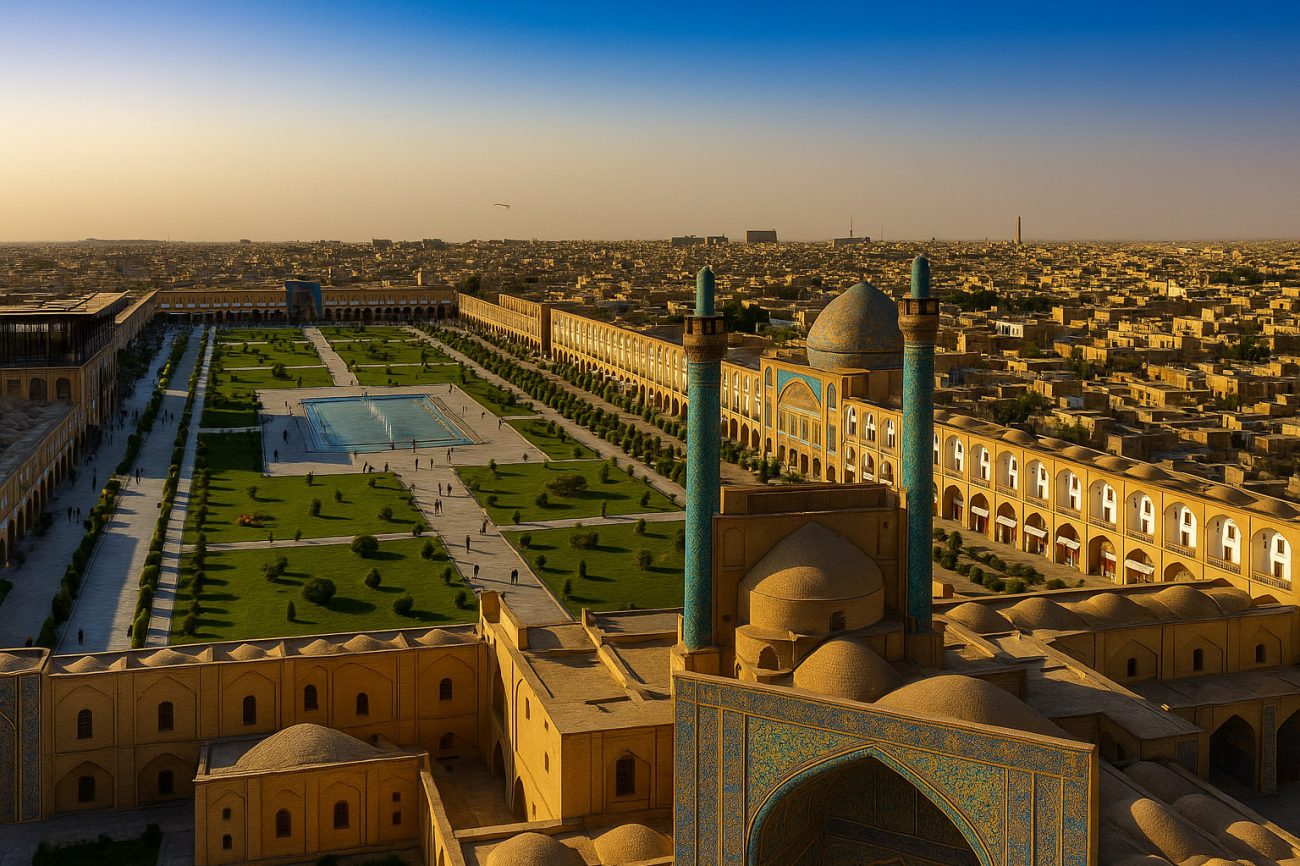
The study area of Isfahan Historical Sector which has numerous historical monuments in
different periods has its own greatness and magnificence which gradually and with the
emergence of new needs and mismatch of old texture in response to these needs as well as
lack of awareness Decision makers face the historical disruption and, in some cases,
destruction of this context, of the invisible values and potentials of the historical context. The
historical context of this city is particularly attractive to tourists because of its valuable
architectural elements and spaces of urban past. Given the city’s 7,000-year-old historical
background and its numerous monuments, efforts to restore, preserve and preserve these
monuments seem necessary. By revitalizing and revitalizing these spaces in various ways,
including the creation of cultural, social, tourism uses, etc., in addition to introducing and
preserving their historical rituals and identities, they also attract domestic and foreign tourists.
It is growing, and also because tourism is a revenue-generator, we can achieve other
economic, social, cultural, and other goals in addition to rebuilding and transforming the
worn-out texture of historical sites.